
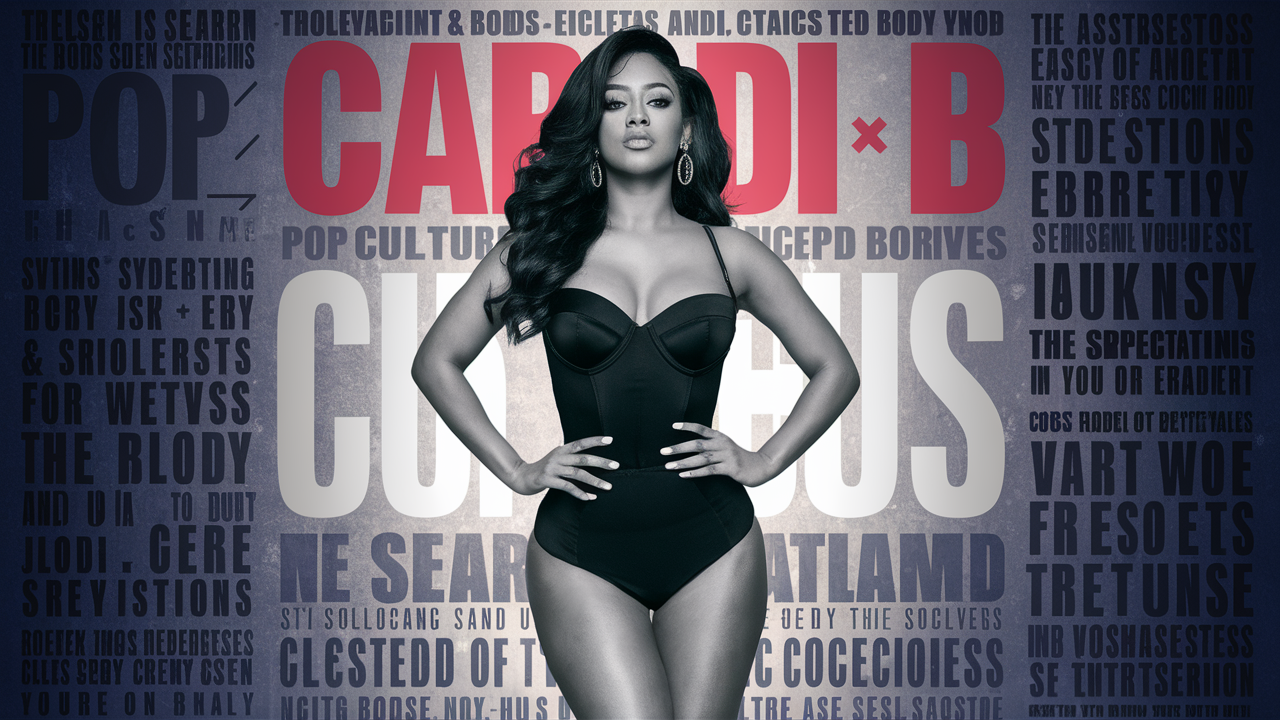
We live in a media landscape where celebrity imagery travels faster than context. The search term “cardi b ass” has become a highly visible keyword across search engines, driven by curiosity, pop culture conversations, and evolving attitudes toward body representation. Rather than existing as a purely sensational phrase, the keyword reflects broader discussions about confidence, visibility, personal branding, and the commercialization of celebrity image. This article examines the cultural, media, and social dimensions behind the term, providing a structured and informative perspective designed for long-term relevance and trust.
What the Keyword “Cardi B Ass” Represents in Online Searches
The phrase “cardi b ass” functions as shorthand for public interest in Cardi B’s visual identity and unapologetic self-presentation. In modern search behavior, users often condense complex topics into brief phrases, even when the underlying interest relates to fashion, performance aesthetics, or celebrity branding.
We recognize that such keywords are rarely literal in intent. Instead, they reflect fascination with how public figures challenge norms, control narratives, and use their image strategically within music and entertainment industries.
Celebrity Image and Intentional Self-Branding
We understand Cardi B’s public image as carefully constructed rather than accidental. In the contemporary music industry, visual identity is inseparable from artistic success. Artists use appearance, fashion, and confidence to establish recognition and cultural impact.
The popularity of searches related to cardi b ass highlights how audiences engage with bold self-expression. Rather than passive observation, this interest fuels discussion around empowerment, autonomy, and visibility in an industry historically shaped by rigid standards.
Body Confidence and Cultural Shifts
We observe a significant cultural shift in how bodies are discussed and represented. Visibility of diverse body types challenges traditional norms and reshapes mainstream standards. Cardi B’s presence contributes to this shift by emphasizing ownership of self-image and rejecting passive conformity.
Search interest in cardi b ass reflects this evolution. It is not simply about appearance; it is about how confidence, control, and visibility intersect with fame and influence.
Media Amplification and Algorithmic Trends
We recognize that media framing plays a central role in keyword popularity. Headlines, social clips, and thumbnails often emphasize visual elements because they generate engagement. Search algorithms then respond to rising interest, amplifying visibility further.
This cycle transforms specific phrases into trending keywords. Understanding this process explains why terms like “cardi b ass” persist in search results long after initial moments of attention.
Fashion, Performance, and Artistic Expression
We view fashion and performance as intentional storytelling tools. Stage outfits, music videos, and editorial visuals communicate themes of power, confidence, and individuality. These creative choices influence how audiences search, discuss, and interpret celebrity imagery.
By framing the keyword within artistic expression, we provide clarity while expanding semantic relevance, which improves long-term search performance.
Audience Curiosity and Cultural Commentary
We understand that curiosity drives search behavior, but curiosity also opens doors to deeper cultural commentary. Keywords like cardi b ass become entry points for discussions about gender dynamics, public scrutiny, and personal agency.
Authoritative content addresses this curiosity with context rather than exaggeration, which is why search engines increasingly prioritize interpretive and analytical coverage.
Why Contextual Content Ranks Better Over Time
We focus on depth, structure, and relevance. Long-form articles that contextualize celebrity-related keywords deliver sustained value, higher engagement, and stronger authority signals.
Rather than fading with trends, contextual articles remain useful as references for understanding media behavior and cultural change, which strengthens ranking durability.
Conclusion
We have examined the keyword “cardi b ass” through a cultural, media-aware, and informative lens. What appears at first glance as a simplistic phrase actually reflects broader conversations about celebrity branding, body confidence, and modern pop culture dynamics. By prioritizing context and clarity, we create content that informs readers, respects public discourse, and maintains long-term relevance in search results.
Frequently Asked Questions (FAQ)
Why is “cardi b ass” a popular search term?
It reflects public interest in celebrity image, confidence, and visual branding rather than explicit intent.
Is the keyword connected to fashion and performance?
Yes. Visual presentation in music and fashion strongly influences search behavior.
Do search engines favor contextual celebrity content?
Yes. Informative, culturally grounded content performs better over time.
Is the search term purely sensational?
No. It often functions as shorthand for broader discussions about body image and fame.
Why do long-form articles rank better for such keywords?
They provide depth, context, and user value, which strengthens authority and engagement signals.
