
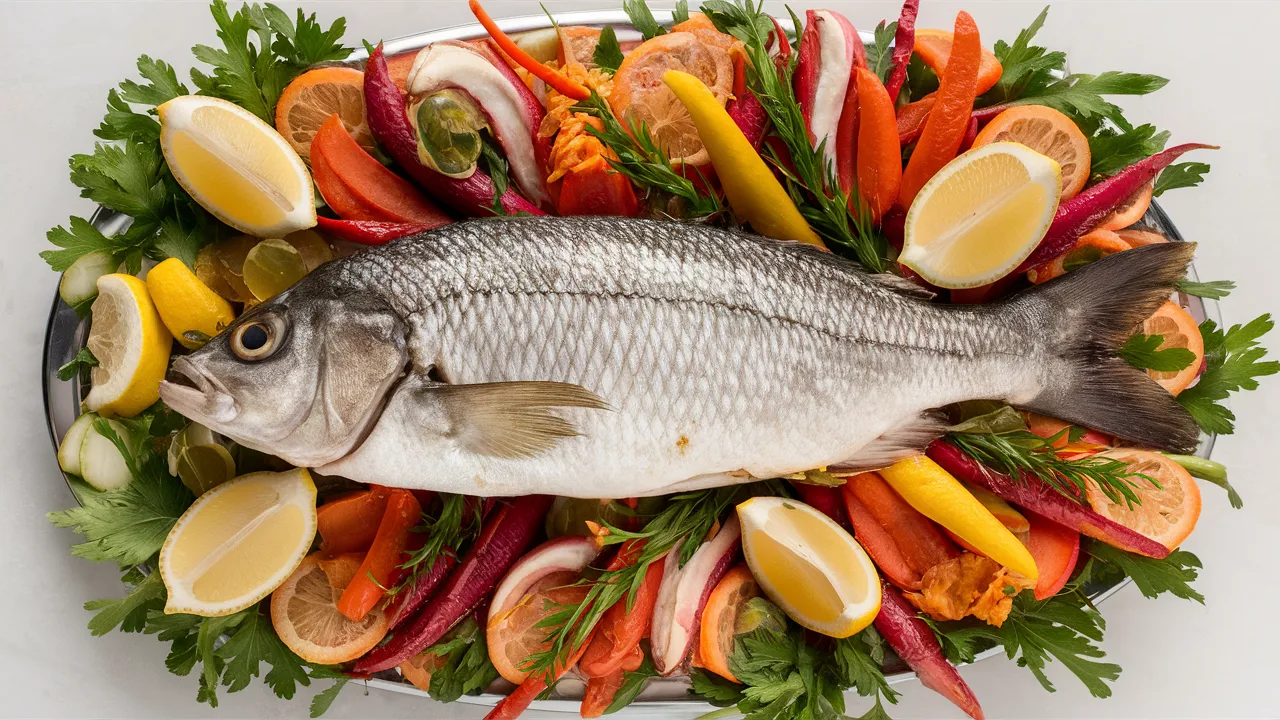
Among the many seafood delicacies enjoyed around the world, Branzino stands out as one of the most refined and versatile fish used in modern cuisine. Known for its delicate flavor, tender texture, and impressive nutritional value, Branzino has become a favorite choice for chefs, seafood enthusiasts, and home cooks alike. Its popularity has grown rapidly in restaurants and markets across the globe, particularly among those who appreciate fresh Mediterranean cooking.
The fish commonly known as Branzino is scientifically called European Sea Bass. This species is widely found in the waters of the Mediterranean Sea and the eastern Atlantic Ocean. In Mediterranean countries, Branzino has been enjoyed for centuries as a central ingredient in traditional seafood dishes.
Today, the name Branzino is widely used in international cuisine to describe this elegant sea bass. Whether grilled whole, baked with herbs, or pan-seared with olive oil, Branzino offers a clean, mild taste that appeals to both seafood beginners and experienced gourmets. In this comprehensive guide, we explore everything about Branzino, including its origins, flavor profile, cooking techniques, nutritional benefits, and why it continues to gain global popularity.
What Is Branzino?
Origins and Species
Branzino is the Italian name for the fish known scientifically as the European sea bass. It is widely recognized for its silver skin, streamlined body, and moderate size. Most Branzino typically grow between 1 and 3 pounds, making them ideal for serving whole.
This species thrives in coastal waters, lagoons, and estuaries throughout the Mediterranean region. Because of its natural habitat and traditional role in Mediterranean cuisine, Branzino is often associated with fresh seafood markets and seaside restaurants.
In many cultures, the fish is known by different names. In France, it is called loup de mer, while in Spain it may be referred to as lubina. Regardless of the name, the fish remains prized for its excellent flavor and versatility in cooking.
Flavor and Texture of Branzino
A Mild and Delicate Taste
One of the reasons Branzino has become so popular in restaurants is its mild, slightly sweet flavor. Unlike stronger-tasting fish such as mackerel or sardines, Branzino offers a clean taste that is approachable for many people.
The subtle flavor allows chefs to enhance the fish with herbs, citrus, olive oil, and spices without overpowering its natural qualities.
Tender and Flaky Texture
Branzino is also valued for its light, flaky texture. When cooked properly, the flesh separates easily into soft layers that remain moist and delicate.
This texture makes the fish ideal for both simple preparations and gourmet dishes.
How Branzino Is Commonly Cooked
Grilled Whole Branzino
One of the most traditional ways to prepare Branzino is grilling the fish whole. The fish is typically cleaned and stuffed with fresh herbs such as rosemary, thyme, or parsley.
Olive oil, lemon slices, and sea salt are often added to enhance the flavor before grilling. The result is a dish that captures the essence of Mediterranean cuisine.
Oven-Baked Branzino
Baking is another popular method for cooking Branzino. In this preparation, the fish is usually placed in a baking dish with vegetables, garlic, and olive oil.
The gentle heat of the oven allows the fish to cook evenly while maintaining its delicate texture.
Pan-Seared Branzino Fillets
For a faster cooking method, chefs often pan-sear Branzino fillets. The fish is cooked skin-side down in a hot pan with olive oil until the skin becomes crisp and golden.
This technique highlights the contrast between the crispy skin and the tender interior.
Nutritional Benefits of Branzino
High-Quality Protein
Branzino is an excellent source of lean protein, making it an ideal choice for balanced diets. Protein plays an important role in muscle development, tissue repair, and overall body function.
Rich in Omega-3 Fatty Acids
Like many ocean fish, Branzino contains omega-3 fatty acids, which are known to support heart health and brain function. These healthy fats are an essential part of many recommended dietary guidelines.
Low in Calories
Another advantage of Branzino is its relatively low calorie content. This makes it suitable for individuals who want a nutritious meal without excessive calories.
Why Branzino Is Popular in Restaurants
Elegant Presentation
Whole roasted or grilled Branzino is often served intact, allowing diners to see the fish’s natural shape and presentation. This creates a visually impressive dish that enhances the dining experience.
Versatility in Cuisine
Branzino can be prepared using many cooking techniques and flavor combinations. It works well with Mediterranean ingredients such as olive oil, garlic, lemon, tomatoes, and herbs.
Because of this versatility, chefs can incorporate Branzino into both traditional and modern culinary styles.
Sustainability and Farming of Branzino
Aquaculture Production
In recent years, much of the Branzino available in markets has been produced through aquaculture farms. These farms raise the fish in controlled environments to ensure consistent supply.
This farming process helps meet the growing demand for Branzino worldwide.
Environmental Considerations
Sustainable fishing practices are essential for protecting marine ecosystems. Responsible aquaculture operations aim to reduce environmental impact while providing high-quality seafood.
Consumers who choose responsibly sourced Branzino help support sustainable seafood industries.
How to Choose Fresh Branzino
When purchasing Branzino, freshness is extremely important. Fresh fish should have clear eyes, shiny skin, and a clean ocean scent.
If buying whole fish, the flesh should feel firm and elastic when pressed gently. These signs indicate that the fish is fresh and suitable for cooking.
Conclusion
Branzino has earned its place as one of the most celebrated seafood choices in Mediterranean cuisine and beyond. Its delicate flavor, tender texture, and impressive nutritional profile make it a favorite among chefs and home cooks alike.
Whether grilled whole with herbs, baked with vegetables, or pan-seared for a quick meal, Branzino offers exceptional versatility and elegance on the plate. Its growing popularity in restaurants around the world reflects a broader appreciation for fresh, simple, and high-quality seafood.
As more people discover the culinary potential of Branzino, this Mediterranean sea bass will continue to shine as a timeless seafood delicacy that combines flavor, nutrition, and tradition.
Frequently Asked Questions (FAQ)
What is Branzino?
Branzino is the Italian name for the European sea bass, a popular Mediterranean fish known for its mild flavor and delicate texture.
What does Branzino taste like?
Branzino has a mild, slightly sweet taste with a tender and flaky texture.
Is Branzino healthy to eat?
Yes, Branzino is rich in protein, omega-3 fatty acids, and essential nutrients.
How is Branzino usually cooked?
Common cooking methods include grilling whole fish, baking with herbs, and pan-searing fillets.
Where does Branzino come from?
Branzino is native to the Mediterranean Sea and the eastern Atlantic Ocean.
