
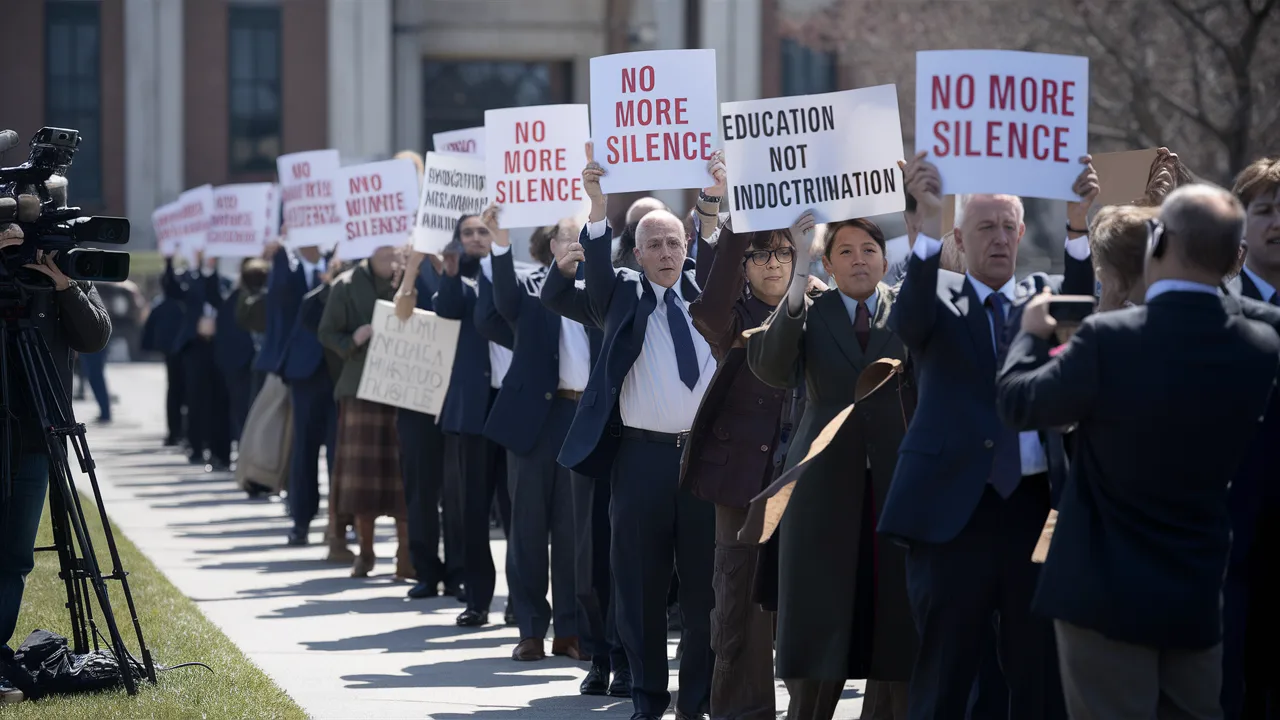
In recent years, discussions surrounding civilian faculty resignations at the United States Air Force Academy have drawn increasing attention from educators, policymakers, and the public. Civilian faculty members play a crucial role in shaping the academic excellence and intellectual rigor of the institution, complementing military instruction with diverse perspectives and specialized expertise. The growing concern over faculty departures highlights broader challenges within academic environments, particularly those operating within structured military frameworks. We examine the underlying causes, institutional impact, and future implications of these resignations, providing a detailed and insightful perspective on this evolving issue.
Understanding the Role of Civilian Faculty
Air Force Academy Civilian Faculty Resignations are responsible for delivering high-quality education in disciplines such as humanities, sciences, engineering, and social sciences. Their presence ensures a balanced academic environment, where cadets receive both technical training and critical thinking skills. Unlike military instructors, civilian educators bring long-term academic experience, research expertise, and continuity to the institution.
This dual structure is essential for maintaining the academy’s reputation as a leading educational institution. However, it also introduces complexities that can influence faculty satisfaction and retention.
Key Causes of Civilian Faculty Resignations
1. Institutional and Cultural Challenges
One of the primary factors contributing to resignations is the unique organizational culture of a military academy. Civilian faculty often operate within a system governed by strict hierarchy and discipline, which may differ significantly from traditional academic environments. This can create challenges in academic freedom, decision-making autonomy, and professional flexibility, leading some faculty members to seek opportunities elsewhere.
2. Workload and Expectations
Civilian educators frequently face high workloads, balancing teaching responsibilities with administrative duties, research expectations, and student mentorship. The added pressure of aligning with military standards can intensify these demands, contributing to burnout and job dissatisfaction.
3. Compensation and Career Advancement
Competitive compensation and clear career progression are critical for faculty retention. In some cases, civilian faculty may perceive limited opportunities for advancement or salary growth compared to other academic institutions. This disparity can encourage experienced educators to transition to universities offering better incentives.
4. Policy Changes and Administrative Decisions
Changes in institutional policies, leadership priorities, or administrative structures can significantly impact faculty morale. Sudden shifts in curriculum requirements, evaluation systems, or governance models may create uncertainty, prompting resignations.
5. External Opportunities
The broader academic and professional landscape offers numerous opportunities for skilled educators. Universities, research institutions, and private organizations actively recruit experienced faculty, making it easier for individuals to pursue alternative career paths.
Impact of Faculty Resignations
1. Academic Continuity
Frequent faculty turnover can disrupt course consistency and curriculum development, affecting the overall learning experience for cadets.
2. Institutional Reputation
The reputation of the United States Air Force Academy is closely tied to its academic strength. Persistent resignations may raise concerns about institutional stability and faculty satisfaction.
3. Student Experience
Civilian faculty contribute significantly to mentoring and intellectual engagement. Their departure can reduce opportunities for personalized guidance and academic enrichment.
4. Recruitment Challenges
Attracting new faculty becomes more difficult if the institution is perceived as having high turnover or systemic challenges.
Institutional Response and Strategies
To address these challenges, institutions like the United States Air Force Academy may implement several strategies:
- Enhancing Compensation Packages: Offering competitive salaries and benefits
- Improving Work-Life Balance: Reducing excessive workloads and administrative burdens
- Strengthening Academic Freedom: Encouraging innovation and independent research
- Transparent Communication: Ensuring clarity in policies and decision-making
- Professional Development Opportunities: Supporting career growth and advancement
These measures aim to create a more supportive and sustainable environment for civilian faculty.
Comparison with Other Military Academies
Faculty retention challenges are not unique to a single institution. Similar trends can be observed in other military academies, where the balance between academic independence and military structure creates ongoing tension. However, institutions that successfully address these challenges often demonstrate higher faculty satisfaction and retention rates.
Future Outlook
The future of civilian faculty retention at the United States Air Force Academy depends on the institution’s ability to adapt to evolving expectations. As the academic landscape becomes more competitive, prioritizing faculty well-being and professional growth will be essential. Continued investment in organizational culture, compensation, and academic autonomy can help mitigate resignation trends and strengthen institutional resilience.
Conclusion
Civilian faculty resignations at the Air Force Academy Civilian Faculty Resignations represent a complex issue influenced by cultural, institutional, and professional factors. While these challenges are significant, they also present opportunities for meaningful reform and improvement. By addressing the root causes and implementing strategic solutions, the academy can enhance faculty satisfaction, maintain academic excellence, and ensure long-term stability. Understanding this issue is crucial for stakeholders committed to preserving the institution’s reputation and educational mission.
Frequently Asked Questions (FAQ)
1. Why are civilian faculty resigning from the Air Force Academy?
Resignations are often driven by workload pressures, cultural differences, compensation concerns, and external opportunities.
2. How do these resignations affect students?
They can impact course continuity, mentorship, and overall academic experience.
3. Is this issue unique to the Air Force Academy?
No, similar challenges exist in other institutions with structured or specialized environments.
4. What steps can be taken to reduce resignations?
Improving compensation, work-life balance, and professional development opportunities can help retain faculty.
5. What is the long-term outlook?
With effective reforms, institutions can stabilize faculty retention and maintain academic excellence.
