
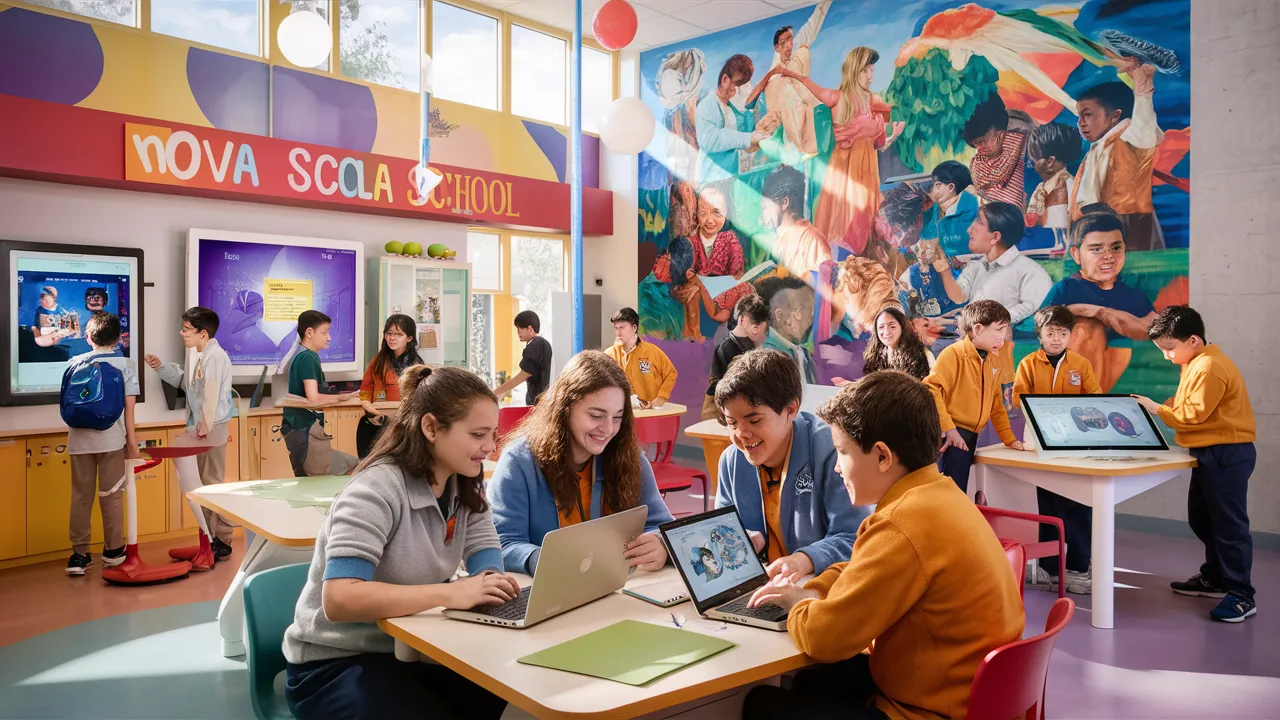
In a rapidly evolving educational landscape, institutions that combine innovation, technology, and student-centered learning stand out as leaders. Nova Scola represents a modern vision of education built on forward-thinking methodologies, academic excellence, and holistic student development. As learners and parents increasingly search for progressive educational environments, Nova Scola emerges as a powerful concept associated with innovation, adaptability, and future-focused academic systems.
This comprehensive guide explores the meaning of Nova Scola, its educational philosophy, academic structure, digital integration, benefits, and long-term impact. Designed to provide in-depth, authoritative information, this article positions Nova Scola as a benchmark for modern education.
Understanding Nova Scola: A Vision of Progressive Education
The term Nova Scola, derived from Latin roots meaning “new school,” symbolizes transformation and forward-thinking educational philosophy. In a world where traditional learning models are being reshaped by technology and global connectivity, Nova Scola embodies adaptability and innovation.
Education today must prepare students not only for exams but for real-world challenges. Nova Scola focuses on developing critical thinking, creativity, collaboration, and problem-solving skills. By integrating modern tools and personalized learning strategies, it creates an environment where students actively engage with knowledge rather than passively receive information.
Academic Philosophy and Core Values
At the heart of Nova Scola lies a commitment to holistic development. Education is viewed not merely as academic instruction but as a comprehensive journey shaping intellectual, emotional, and social growth. Core values typically associated with the Nova Scola concept include:
-
Innovation: Embracing modern teaching methods and emerging technologies.
-
Excellence: Maintaining high academic standards.
-
Integrity: Promoting ethical responsibility and accountability.
-
Inclusivity: Supporting diverse learning styles and backgrounds.
-
Lifelong Learning: Encouraging curiosity beyond the classroom.
This philosophy fosters a culture where students are empowered to explore, question, and create.
Curriculum Structure and Learning Approach
A defining feature of Nova Scola is its dynamic curriculum design. Unlike rigid traditional systems, progressive models emphasize flexibility and interdisciplinary learning. Subjects are interconnected to reflect real-world applications, encouraging students to see relationships between mathematics, science, humanities, and technology.
Project-based learning often plays a central role. Students engage in collaborative tasks that require research, analysis, and presentation skills. This approach strengthens comprehension while building confidence and communication abilities.
Technology integration further enhances instruction. Digital platforms, interactive tools, and online resources expand access to information and encourage independent exploration. Rather than replacing teachers, technology complements instruction by personalizing learning experiences.
Student-Centered Learning Environment
Nova Scola prioritizes a student-centered environment where learners actively participate in shaping their educational journey. Teachers function as mentors and facilitators rather than solely as lecturers. This shift promotes engagement and accountability.
Classrooms emphasize discussion, teamwork, and real-world application. Students are encouraged to express ideas, challenge assumptions, and collaborate on solutions. This atmosphere fosters intellectual independence and prepares learners for higher education and professional environments.
Assessment methods also evolve within progressive systems. Instead of focusing exclusively on standardized testing, Nova Scola incorporates formative assessments, project evaluations, and reflective learning exercises. These methods provide a comprehensive understanding of student progress.
Technology and Digital Integration
In modern education, technology is not optional—it is essential. Nova Scola integrates digital tools to enhance learning outcomes and accessibility. Online collaboration platforms, virtual simulations, and digital research databases expand educational horizons.
Blended learning models combine in-person instruction with online components, offering flexibility and personalization. Students develop digital literacy skills essential for future careers while benefiting from interactive educational resources.
Cybersecurity awareness and responsible technology use are also emphasized. Preparing students to navigate digital spaces safely ensures long-term competence in an interconnected world.
Benefits of Choosing Nova Scola
The advantages of a Nova Scola-inspired educational model are extensive:
Enhanced Critical Thinking: Students learn to analyze information rather than memorize facts.
Adaptability: Exposure to diverse learning methods prepares students for change.
Collaborative Skills: Team-based projects build communication and leadership abilities.
Technological Proficiency: Digital tools strengthen practical competencies.
Global Perspective: Interdisciplinary learning broadens cultural and intellectual awareness.
These benefits contribute to well-rounded development and academic confidence.
Parental Involvement and Community Engagement
Nova Scola recognizes the importance of collaboration between educators and families. Transparent communication ensures that parents remain informed about academic progress and school initiatives.
Community partnerships further enrich the learning experience. Collaborations with local organizations, businesses, and cultural institutions provide practical exposure and experiential learning opportunities.
Preparing Students for the Future
Education must align with future demands. Rapid technological advancement, evolving industries, and global challenges require adaptable thinkers. Nova Scola prepares students to navigate uncertainty with resilience and creativity.
Emphasis on problem-solving and ethical responsibility ensures that graduates are not only skilled but conscientious contributors to society. By fostering curiosity and adaptability, Nova Scola builds a foundation for lifelong success.
Challenges and Continuous Improvement
While innovative models offer numerous advantages, continuous improvement remains essential. Educational systems must evaluate outcomes, integrate feedback, and adapt to emerging research. Nova Scola’s commitment to evolution ensures that it remains responsive to changing needs.
Ongoing professional development for educators supports instructional excellence. Teachers refine methodologies and incorporate best practices to maintain academic rigor.
Conclusion: Nova Scola as a Blueprint for Modern Education
Nova Scola symbolizes the future of education—dynamic, inclusive, and forward-thinking. By combining academic excellence with technological integration and student-centered philosophy, it creates an environment where learners thrive intellectually and socially. Its emphasis on innovation, collaboration, and ethical growth prepares students for both academic achievement and real-world challenges.
As educational expectations continue to evolve, Nova Scola stands as a model for institutions seeking to balance tradition with transformation. Its comprehensive approach ensures that students are equipped not only with knowledge but with the skills and mindset necessary for lifelong success.
Frequently Asked Questions (FAQ)
What does Nova Scola mean?
Nova Scola translates to “new school,” symbolizing a modern and progressive approach to education.
What makes Nova Scola different from traditional schools?
It emphasizes student-centered learning, technology integration, interdisciplinary curriculum, and critical thinking development.
Does Nova Scola focus on technology?
Yes, digital tools and blended learning models are integrated to enhance academic engagement and digital literacy.
Who can benefit from the Nova Scola approach?
Students seeking innovative, collaborative, and future-focused education environments benefit most from this model.
Is Nova Scola suitable for long-term academic growth?
Yes, its emphasis on adaptability, critical thinking, and lifelong learning supports sustained academic and professional development.
