
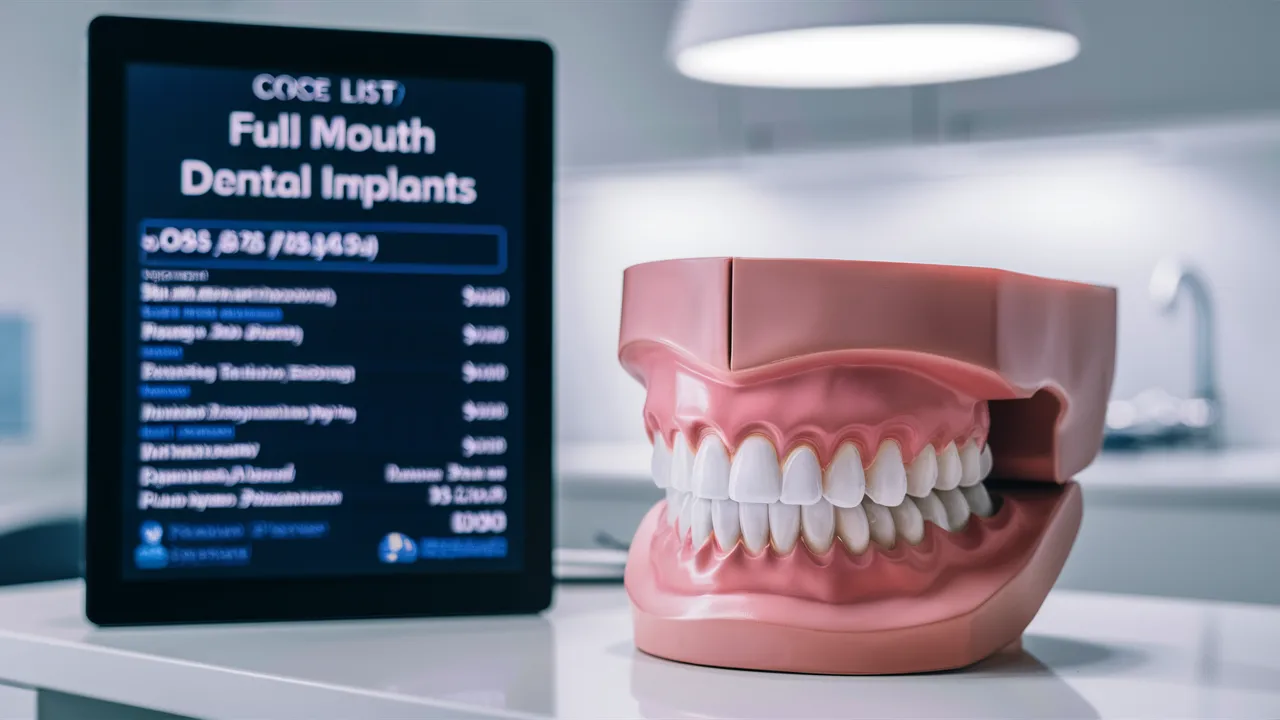
We understand that restoring a complete smile with full mouth dental implants is a life-changing decision, both aesthetically and functionally. However, one of the most important considerations is the cost of full mouth dental implants, which can vary significantly depending on multiple factors. From materials and procedures to location and expertise, understanding the full pricing structure helps us make informed and confident decisions. In this comprehensive guide, we provide a detailed breakdown of costs, influencing factors, comparisons, and cost-saving strategies, ensuring clarity for anyone considering this advanced dental solution.
What Are Full Mouth Dental Implants?
Full Mouth Dental Implants Cost involve replacing all missing or damaged teeth in the upper, lower, or both jaws using implant-supported prosthetics. Unlike traditional dentures, implants are anchored into the jawbone using titanium posts, providing a permanent and stable solution.
Common techniques include:
- All-on-4 dental implants
- All-on-6 implant systems
- Full arch fixed bridges
These options offer a natural look, improved chewing ability, and long-term durability, making them a preferred choice for many patients.
Average Cost of Full Mouth Dental Implants
The cost of full mouth dental implants can vary widely depending on several factors. On average, we can expect:
- $15,000 to $30,000 per arch (upper or lower jaw)
- $30,000 to $60,000 for a full mouth restoration
In some premium cases, costs may exceed $70,000, especially when advanced materials or complex procedures are involved.
This pricing typically includes:
- Implant placement
- Abutments and prosthetic teeth
- Surgical procedures
- Initial consultations and imaging
However, additional treatments may increase the total cost.
Key Factors That Affect the Cost
1. Number of Implants Required
The more implants needed, the higher the cost. Systems like All-on-4 use fewer implants, making them more cost-effective compared to traditional methods.
2. Type of Materials Used
High-quality materials such as zirconia or premium titanium increase durability and aesthetics but also raise costs.
3. Additional Procedures
Some patients require preparatory treatments such as:
- Bone grafting
- Sinus lifts
- Tooth extractions
These procedures can significantly add to the overall expense.
4. Dentist’s Experience and Location
Highly experienced specialists and clinics in major cities often charge more due to expertise and advanced technology.
5. Technology and Equipment
Clinics using 3D imaging, digital scanning, and guided surgery may offer better precision but at a higher cost.
Full Mouth Dental Implants vs Dentures
When comparing full mouth dental implants to dentures, we notice significant differences:
Dental Implants
- Permanent and stable
- Natural appearance and function
- Higher upfront cost but long-term value
Dentures
- Lower initial cost
- Removable and less stable
- Require maintenance and replacement
While dentures are more affordable initially, implants provide greater durability, comfort, and long-term savings.
Are Full Mouth Dental Implants Worth the Cost?
We consider full mouth dental implants a valuable investment due to their long-term benefits:
- Improved oral health and jawbone preservation
- Enhanced confidence and appearance
- Better chewing and speech functionality
- Longevity of 15–25 years or more
Although the upfront cost is high, the lasting results and reduced maintenance costs often justify the investment.
Financing Options and Cost-Saving Tips
1. Dental Insurance
Some insurance plans may cover portions of the procedure, especially related to medical necessity.
2. Payment Plans
Many clinics offer monthly financing options, making treatment more accessible.
3. Dental Tourism
Seeking treatment in countries with lower costs can reduce expenses, though quality and safety must be carefully evaluated.
4. Package Deals
Some clinics provide all-inclusive packages, covering consultations, surgery, and follow-ups.
Procedure Timeline and What to Expect
The process of getting full mouth dental implants typically involves:
- Initial consultation and planning
- Surgical placement of implants
- Healing period (3–6 months)
- Placement of permanent prosthetic teeth
This timeline ensures proper integration of implants with the jawbone, resulting in a strong and stable foundation.
Risks and Considerations
While generally safe, we should be aware of potential risks:
- Infection or implant failure
- Extended healing time
- Higher upfront financial commitment
Choosing a qualified professional and following aftercare instructions minimizes these risks significantly.
How to Choose the Right Dental Clinic
Selecting the right clinic is essential for achieving the best results. We recommend:
- Checking credentials and experience
- Reviewing before-and-after cases
- Ensuring use of modern technology
- Reading patient reviews and testimonials
A reputable clinic ensures both safety and satisfaction.
Conclusion
We recognize that the Full Mouth Dental Implants Cost is a significant consideration, but it reflects the advanced technology, expertise, and long-term benefits associated with the procedure. By understanding pricing factors, comparing alternatives, and exploring financing options, we can make well-informed decisions that align with our needs and budget. Full mouth dental implants offer a permanent, reliable, and aesthetically pleasing solution, making them one of the most effective ways to restore a complete smile and improve quality of life.
Frequently Asked Questions (FAQ)
How much do full mouth dental implants cost?
The cost typically ranges from $30,000 to $60,000, depending on various factors.
Are dental implants better than dentures?
Yes, implants provide better stability, durability, and natural appearance.
How long do full mouth dental implants last?
They can last 15–25 years or longer with proper care.
Does insurance cover dental implants?
Some plans may cover parts of the procedure, but full coverage is rare.
Is the procedure painful?
The procedure is performed under anesthesia, so discomfort is minimal during surgery, with manageable recovery afterward.
