
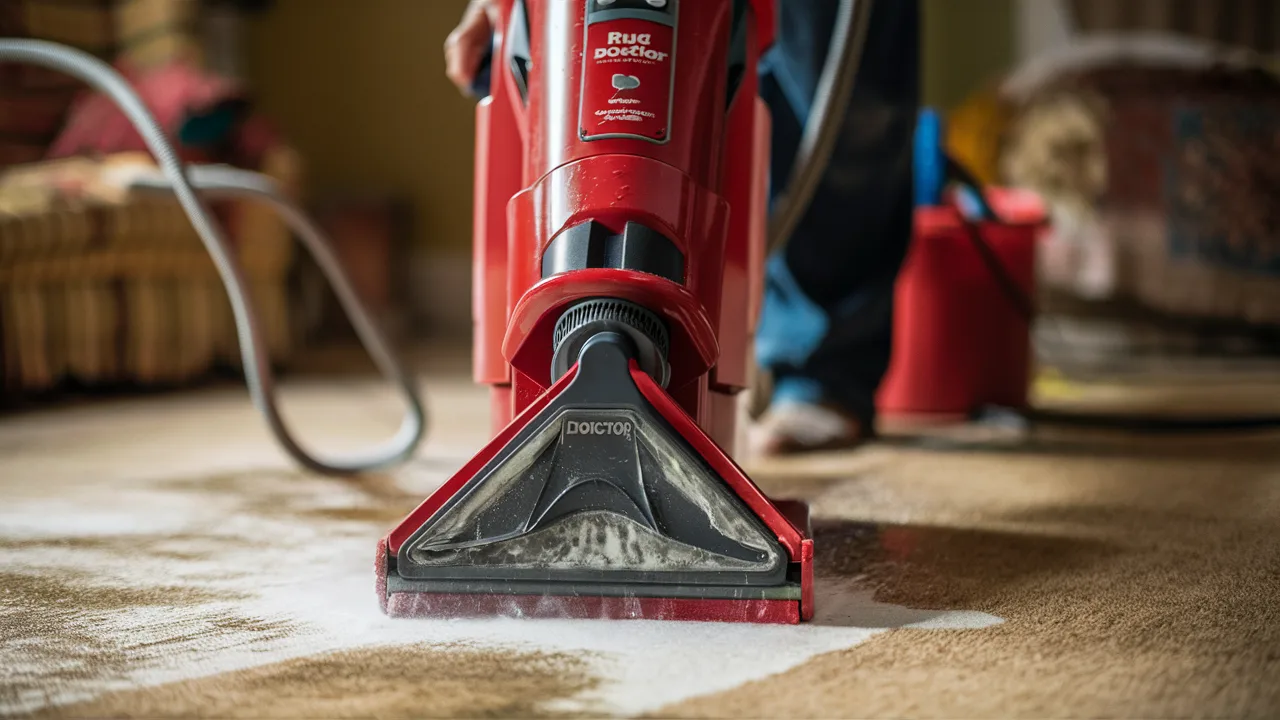
Keeping carpets clean is essential for maintaining a fresh, healthy, and attractive home. Carpets trap dust, allergens, dirt, pet hair, and stains over time, making regular vacuuming insufficient for true cleanliness. This is where Cleaning Rug Doctor methods become highly effective. Rug Doctor machines are widely recognized for their powerful deep-cleaning capabilities, allowing homeowners to restore carpets, rugs, and upholstery with professional-grade results.
We understand how important spotless flooring is for comfort and hygiene. With the right Rug Doctor cleaning process, carpets can look newer, smell fresher, and last longer. In this complete guide, we cover everything from preparation to stain removal, machine usage, drying methods, maintenance tips, and common mistakes to avoid.
Why Choose Cleaning Rug Doctor for Carpet Care
Rug Doctor machines are designed to clean beyond the surface. Unlike ordinary vacuums, they use hot water extraction technology, lifting dirt embedded deep inside carpet fibers.
Key Benefits of Cleaning Rug Doctor Carpets
- Deep cleans carpets thoroughly
- Removes stubborn dirt and grime
- Helps eliminate pet odors
- Lifts common stains
- Improves indoor air freshness
- Restores carpet softness
- Extends carpet lifespan
- Saves money compared to hiring professionals
For homeowners who want strong cleaning performance without expensive service appointments, Rug Doctor offers an excellent solution.
How Rug Doctor Cleaning Machines Work
Understanding the process helps achieve better results. Rug Doctor machines spray a cleaning solution mixed with water into carpet fibers. Brushes agitate the fibers while the machine extracts dirty water into a recovery tank.
This three-step system includes:
- Spray – Applies cleaning solution evenly
- Scrub – Loosens soil and stains
- Extract – Pulls dirt and moisture away
The result is a noticeably cleaner carpet with reduced residue and faster drying when used correctly.
Preparing for Cleaning Rug Doctor Carpets
Preparation is one of the most important steps. Before using the machine, we should make the room ready.
1. Remove Furniture
Take lightweight chairs, tables, and decorative items out of the room.
2. Vacuum Thoroughly
Dry vacuuming removes dust, crumbs, and loose debris, allowing Rug Doctor to focus on deeper soil.
3. Pre-Treat Stains
Apply stain remover to visible spots such as:
- Coffee stains
- Pet accidents
- Mud marks
- Food spills
- Ink spots
4. Test Small Area
Always test cleaning solution on an inconspicuous section first.
Best Way to Use Rug Doctor for Deep Cleaning
Step 1: Fill the Clean Water Tank
Use warm water and the recommended Rug Doctor cleaning formula. Avoid overusing detergent.
Step 2: Start from the Farthest Corner
Begin cleaning at the corner farthest from the exit. Work backward toward the door.
Step 3: Slow and Steady Passes
Move the machine slowly. Fast movement reduces extraction efficiency.
Step 4: Overlap Cleaning Lines
Overlap each pass slightly to avoid missed strips.
Step 5: Repeat on Heavily Soiled Areas
High-traffic zones often need a second pass.
Step 6: Empty Dirty Water Tank
When full, empty the recovery tank and refill clean water as needed.
Cleaning Rug Doctor for Stubborn Stains
Some stains require extra treatment. Here are effective methods:
Pet Stains
Use enzyme-based pre-treatment before Rug Doctor cleaning. This helps remove odors and discoloration.
Wine Stains
Blot immediately, apply stain remover, then clean with machine extraction.
Mud Stains
Let mud dry first, vacuum debris, then deep clean.
Grease Stains
Use degreasing carpet cleaner before machine use.
High Traffic Lanes
Use extra solution and make multiple slow passes.
Cleaning Area Rugs with Rug Doctor
Area rugs need special attention depending on material. Synthetic rugs usually respond well to Rug Doctor cleaning, while delicate natural fiber rugs may require caution.
Tips for Rug Cleaning
- Check care label first
- Use less water on delicate rugs
- Avoid oversaturation
- Dry flat when possible
- Brush fibers after drying for softness
For wool or antique rugs, specialized cleaning may be safer.
How Long Does Rug Doctor Cleaning Take to Dry?
Drying depends on humidity, airflow, carpet thickness, and water usage.
Typical Drying Time
- Light cleaning: 4 to 6 hours
- Deep cleaning: 8 to 12 hours
- Thick carpets: Up to 24 hours
Ways to Speed Up Drying
- Open windows
- Use ceiling fans
- Run air conditioning
- Use floor fans
- Avoid over-wetting carpets
Never replace furniture until carpets are fully dry.
Cleaning Rug Doctor Machine After Use
Machine maintenance is essential after every session.
Steps to Clean the Machine
- Empty dirty water tank
- Rinse tanks thoroughly
- Wipe brushes and nozzles
- Remove trapped hair or debris
- Let all parts dry before storage
Keeping the machine clean ensures better future performance and prevents odors.
Common Mistakes to Avoid
Many users reduce results by making simple mistakes.
Using Too Much Detergent
Leaves sticky residue that attracts dirt.
Moving Too Fast
Prevents deep extraction.
Skipping Vacuuming
Loose debris can clog the machine.
Overwetting Carpet
Leads to long drying times and possible odor.
Ignoring Stains Before Cleaning
Pre-treatment improves success dramatically.
Avoiding these issues leads to cleaner carpets and better machine efficiency.
How Often Should We Use Rug Doctor?
Cleaning frequency depends on lifestyle.
Recommended Schedule
- Low traffic homes: Every 12 months
- Family homes: Every 6 months
- Homes with pets: Every 3 to 6 months
- Allergy concerns: Every 3 months
Regular deep cleaning helps maintain appearance and hygiene.
Why Cleaning Rug Doctor Helps Indoor Air Quality
Carpets trap:
- Dust particles
- Pet dander
- Pollen
- Hair
- Bacteria residue
Deep extraction removes much of this hidden buildup. Cleaner carpets often contribute to a fresher-smelling room and a more comfortable living environment.
Professional Results at Home
One of the biggest reasons people choose Rug Doctor is convenience. We can clean carpets on our own schedule, focus on problem areas, and achieve strong results without waiting for appointments.
With correct technique, many carpets regain:
- Better color appearance
- Softer texture
- Cleaner smell
- Reduced stains
- Improved freshness
Conclusion
Cleaning carpets properly requires more than vacuuming. Cleaning Rug Doctor methods provide powerful deep-cleaning performance that removes embedded dirt, refreshes fibers, and restores the appearance of tired flooring. With the right preparation, careful machine use, stain treatment, and proper drying, homeowners can achieve professional-quality results from the comfort of home.
Regular Rug Doctor cleaning keeps carpets looking cleaner, lasting longer, and creating a healthier indoor environment. Whether handling pet messes, heavy traffic lanes, or seasonal refreshes, Rug Doctor remains one of the most effective solutions for home carpet care.
FAQ About Cleaning Rug Doctor
1. Is Rug Doctor good for deep cleaning carpets?
Yes, Rug Doctor machines are highly effective for deep carpet cleaning using extraction technology.
2. How often should carpets be cleaned with Rug Doctor?
Every 6 to 12 months is common, or more often for pets and busy households.
3. Can Rug Doctor remove pet odors?
Yes, especially when combined with pet-specific cleaning solutions.
4. How long do carpets take to dry after Rug Doctor cleaning?
Usually 4 to 12 hours depending on airflow and carpet thickness.
5. Do I need to vacuum before using Rug Doctor?
Yes, vacuuming first removes surface debris and improves deep cleaning results.
6. Can Rug Doctor clean rugs too?
Yes, many synthetic rugs can be cleaned, but delicate natural fibers need caution.
