
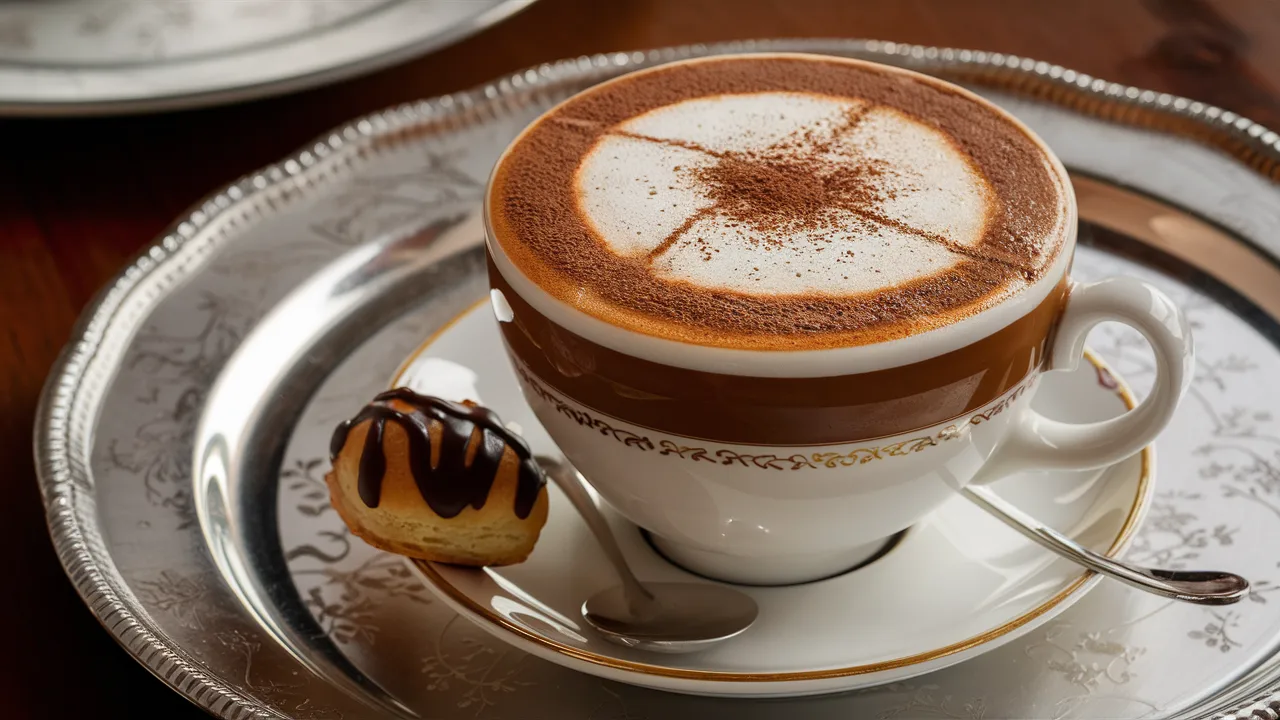
Few beverages capture the elegance and cultural richness of European coffee traditions quite like the wiener melange. Originating from the historic coffeehouses of Vienna, this beloved drink represents more than just a combination of coffee and milk—it embodies a refined lifestyle, a deep-rooted tradition, and a ritual of social connection. We explore how the wiener melange became a symbol of Austrian café culture and why it continues to attract coffee enthusiasts from around the world.
The Viennese coffeehouse culture, recognized for its sophistication and charm, has elevated the wiener melange into an art form. Served in elegant porcelain cups and often accompanied by a glass of water, this coffee drink offers a balanced, creamy flavor that distinguishes it from other popular beverages like cappuccino or latte. Understanding its origins, preparation, and cultural significance allows us to fully appreciate this timeless classic.
What is a Wiener Melange?
The wiener melange is a traditional Austrian coffee beverage made by combining espresso with steamed milk and a layer of milk foam. It is often compared to a cappuccino, but the texture and preparation create a distinct flavor profile that is smoother and less intense.
We understand that the term “melange” means “mixture,” which perfectly describes the harmonious blend of coffee and milk. Unlike stronger espresso-based drinks, the wiener melange offers a mild, creamy taste that appeals to a wide range of coffee drinkers.
The History of Wiener Melange
The origins of the wiener melange are deeply connected to the rise of coffee culture in Vienna. During the 17th and 18th centuries, coffeehouses became central to social life, attracting intellectuals, artists, and thinkers. These establishments were more than places to drink coffee—they were hubs of conversation, creativity, and culture.
We recognize that the wiener melange evolved as a response to the desire for a softer, more refined coffee experience. Over time, it became a staple of Viennese cafés, symbolizing elegance and hospitality. Today, it remains a defining feature of Austria’s rich coffee heritage.
How to Make a Perfect Wiener Melange
Creating an authentic wiener melange at home requires attention to detail and quality ingredients. We follow a precise method to achieve the ideal balance:
Ingredients
- Freshly brewed espresso
- Hot milk
- Milk foam
Preparation Steps
- Brew a strong shot of espresso as the base.
- Heat the milk without boiling it.
- Pour the hot milk into the espresso, maintaining a smooth blend.
- Add a light layer of milk foam on top.
The result is a creamy, well-balanced coffee that reflects the authentic taste of Vienna.
Wiener Melange vs Cappuccino
Although often compared to a cappuccino, the wiener melange has distinct characteristics. We observe that:
- The melange typically uses milder coffee
- The milk-to-coffee ratio is more balanced
- The foam layer is lighter and less dense
These differences create a smoother and less intense flavor, making the wiener melange ideal for those who prefer a gentle coffee experience.
Viennese Coffeehouse Culture
The true essence of the wiener melange can only be fully appreciated within the context of Viennese coffeehouse culture. In Vienna, cafés are known for their relaxed atmosphere, elegant interiors, and tradition of encouraging guests to linger.
We find that ordering a wiener melange is not just about the drink—it is about the experience. Patrons often spend hours reading, writing, or engaging in conversation, making the coffeehouse a place of inspiration and connection.
Variations of Wiener Melange
While the traditional recipe remains popular, several variations have emerged over time:
- Melange with whipped cream for added richness
- Flavored melange with hints of vanilla or chocolate
- Iced melange for warmer seasons
These adaptations allow coffee lovers to enjoy the wiener melange in different ways while preserving its core identity.
Why Wiener Melange is So Popular
The enduring popularity of the wiener melange lies in its balance of flavor, texture, and cultural significance. We appreciate how it combines the strength of espresso with the smoothness of milk, creating a drink that is both comforting and sophisticated.
Additionally, its association with Vienna’s café culture adds a layer of authenticity and tradition that enhances its appeal. For many, enjoying a wiener melange is a way to connect with a timeless European lifestyle.
Tips for Enjoying Wiener Melange
To fully enjoy a wiener melange, we recommend:
- Using high-quality coffee beans
- Serving it in a pre-warmed cup
- Pairing it with pastries or desserts
- Taking time to savor the experience
These simple practices elevate the enjoyment of this classic beverage.
Conclusion
As we explore the rich tradition of the wiener melange, we discover a coffee that goes beyond taste to represent culture, history, and elegance. From its origins in Vienna’s iconic cafés to its continued popularity worldwide, the wiener melange remains a symbol of refined coffee craftsmanship. By understanding its preparation, variations, and cultural context, we gain a deeper appreciation for this timeless drink. Whether enjoyed at home or in a traditional café, the wiener melange offers a unique and memorable coffee experience that continues to captivate enthusiasts around the globe.
Frequently Asked Questions (FAQ)
What is a wiener melange?
A wiener melange is an Austrian coffee made with espresso, hot milk, and light foam.
Is wiener melange the same as cappuccino?
No, it is milder and creamier, with a different milk-to-coffee ratio.
Where does wiener melange originate?
It originates from Vienna, Austria.
Can I make wiener melange at home?
Yes, using espresso, hot milk, and foam, you can easily prepare it at home.
Why is wiener melange popular?
It is محبوب for its smooth taste, cultural heritage, and elegant presentation.
