
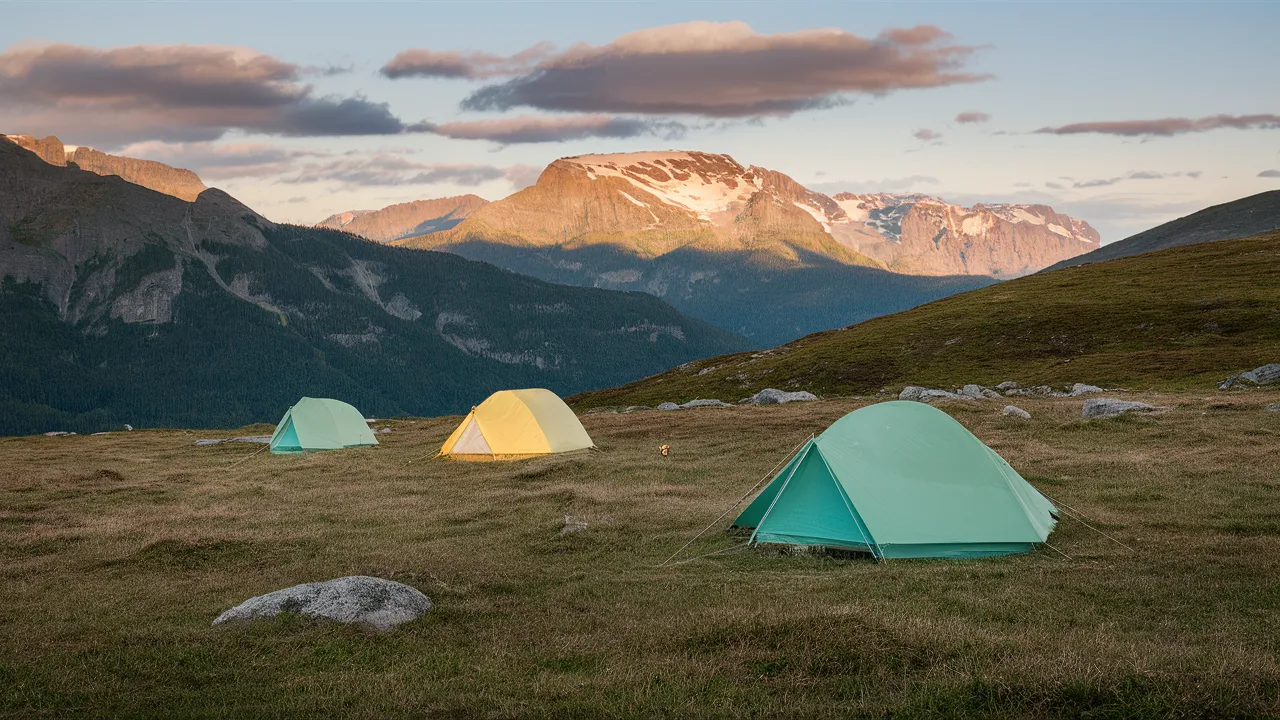
In outdoor gear and tactical equipment circles, the term “tarnplanen” has steadily gained traction — especially among campers, hunters, survivalists, and military enthusiasts seeking versatile protective solutions. While it might sound unfamiliar at first, tarnplanen stems from German roots and refers to high‑performance camouflage tarpaulins designed for concealment and environmental protection. Beyond simple cover sheets, these rugged tarps combine weather resistance with camouflage effectiveness, offering both functional shelter and visual stealth in diverse environments. This definitive guide explores everything you need to know about tarnplanen, from its origins and materials to practical applications, benefits, selection tips, and why it’s becoming a staple for outdoor and tactical use.
What Is Tarnplanen? Origin and Meaning
The word tarnplanen combines two German terms — “Tarn” (camouflage) and “Planen” (tarpaulins or covers) — and literally refers to camouflage‑patterned tarpaulins designed to conceal and protect objects outdoors. While tarpaulins themselves are simple sheets of waterproof or water‑resistant material used globally, tarnplanen specifically denotes those with camouflage patterns and enhanced durability for tactical and outdoor concealment tasks.
Originally developed for military use to conceal equipment, personnel, and temporary installations from visual detection — and even from infrared surveillance in advanced models — tarnplanen have transitioned into mainstream outdoor gear used by civilians for a wide range of activities.
Materials and Design: What Makes Tarnplanen Effective
Tarnplanen are constructed from heavy‑duty materials designed to withstand harsh conditions while blending seamlessly with the environment. Common fabrics include polyethylene, polyester, nylon, PVC‑coated canvas, and ripstop weaves, each chosen for durability, tear resistance, and weatherproof features.
Enhanced coatings ensure waterproofing and UV resistance, protecting gear and users from rain, sun exposure, and abrasion. Reinforced edges and metal grommets or eyelets allow secure anchoring with rope, hooks, or stakes, ensuring the tarnplanen stays intact even under strong winds.
Furthermore, the camouflage patterns — from woodland greens and browns to desert tans or snow‑friendly hues — are scientifically designed to break up visual outlines and help the tarpaulin merge with natural surroundings, reducing detection from humans and wildlife alike.
Primary Uses of Tarnplanen
Military and Tactical Applications
At its inception, tarnplanen was a staple of military operations. Soldiers and tactical units use camouflage tarps to conceal vehicles, weapons, field installations, and troop positions. Their ability to reduce visual signatures — often including measures that diminish infrared visibility — makes them invaluable in reconnaissance, base construction, and covert field operations.
Camping and Survival Scenarios
Campers and outdoor enthusiasts value tarnplanen for rain covers, emergency shelters, ground sheets, and shade structures. Lightweight and portable, these tarps pack easily with other gear and can be set up quickly when weather conditions change. Whether protecting a tent floor or acting as a lean‑to shelter, tarnplanen offer multiple survival uses with camouflage benefits that help you blend into the environment.
Hunting, Wildlife Photography & Observation
Naturalists, hunters, and wildlife photographers appreciate tarnplanen for their concealment capabilities. When attached to branches, posts, or frames, these camouflage tarps serve as hides or blinds, allowing observers to stay undetected while watching or capturing images of wildlife. Their muted tones ensure that animals remain undisturbed, increasing the chances of successful observation or photography.
Home, Garden & Everyday Uses
Outside of wilderness settings, tarnplanen are increasingly used for garden protection, covering outdoor tools or vehicles, temporary shading, or even event backdrops where a natural aesthetic is desirable. Because they pair concealment with protection, these tarps blend functionality with visual discretion in varied civilian tasks.
Benefits of Tarnplanen
Tarnplanen deliver a range of practical benefits beyond simple weather protection:
-
Environmental Concealment: Camouflage patterns help hide covered objects or shelters from view in forest, desert, or mixed terrain environments.
-
Weatherproof Shielding: Materials and coatings protect against rain, UV rays, wind, and dust, extending the lifespan of gear and providing shelter in adverse conditions.
-
Versatility Across Uses: Tarnplanen’s adaptability makes them suitable for survival scenarios, camping, hunting, photography, construction sites, and even garden maintenance.
-
Portability and Ease of Use: Despite their durable construction, these tarps can be folded compactly, transported easily, and set up quickly — an essential feature for field use.
-
Enhanced Durability: Reinforced edges and rugged fabrics ensure long service life and resistance to wear and tear compared to basic tarps.
How to Choose the Right Tarnplanen
When selecting tarnplanen, consider material strength, waterproof rating, camouflage pattern, size, and reinforcement features. Larger tarps provide more coverage but may weigh more, while lighter options are better for backpackers or solo campers. Match the camouflage pattern with the primary terrain you’ll encounter — woodland for forests, tan and brown for dry landscapes, and mixed or digital camo for multi‑environment use.
Additionally, check for reinforced grommets and edge stitching, which enhance durability during long‑term outdoor use. Some modern models also offer UV‑resistant or breathable coatings that reduce moisture buildup underneath the tarp.
Conclusion
Tarnplanen represent a highly versatile and practical evolution of the traditional tarp — blending camouflage effectiveness with weather protection and tactical utility. Whether used on the battlefield, in a forest campground, on a hunting excursion, or as everyday outdoor coverage, tarnplanen provide reliable concealment and protection from the elements. Their combination of rugged materials, thoughtful design, and multipurpose applications makes them indispensable for anyone who values both durability and discretion outdoors. As interest in survival gear, tactical equipment, and outdoor activities grows, tarnplanen continue to earn their place as one of the most valuable additions to any adventurer’s kit.
Frequently Asked Questions (FAQ)
Q: What does “tarnplanen” mean?
“Tarnplanen” is a German‑derived term meaning camouflage tarpaulins — durable sheets designed for concealment and protective coverage in outdoor environments.
Q: How is tarnplanen different from a regular tarp?
Unlike regular tarps, tarnplanen feature camouflage patterns and enhanced materials that help them blend into natural surroundings while providing robust weather protection.
Q: What activities are tarnplanen best suited for?
They are ideal for military uses, camping, hunting, wildlife observation, emergency shelters, and home or garden protection.
Q: How do I choose the right camouflage pattern?
Select a pattern that matches your primary environment — woodland for forests, desert tones for arid terrain, and multispectral designs for varied landscapes.
Q: Can tarnplanen withstand heavy weather?
Yes — quality tarnplanen are made from waterproof, UV‑resistant materials with reinforced edges for reliable performance in harsh outdoor conditions.
