
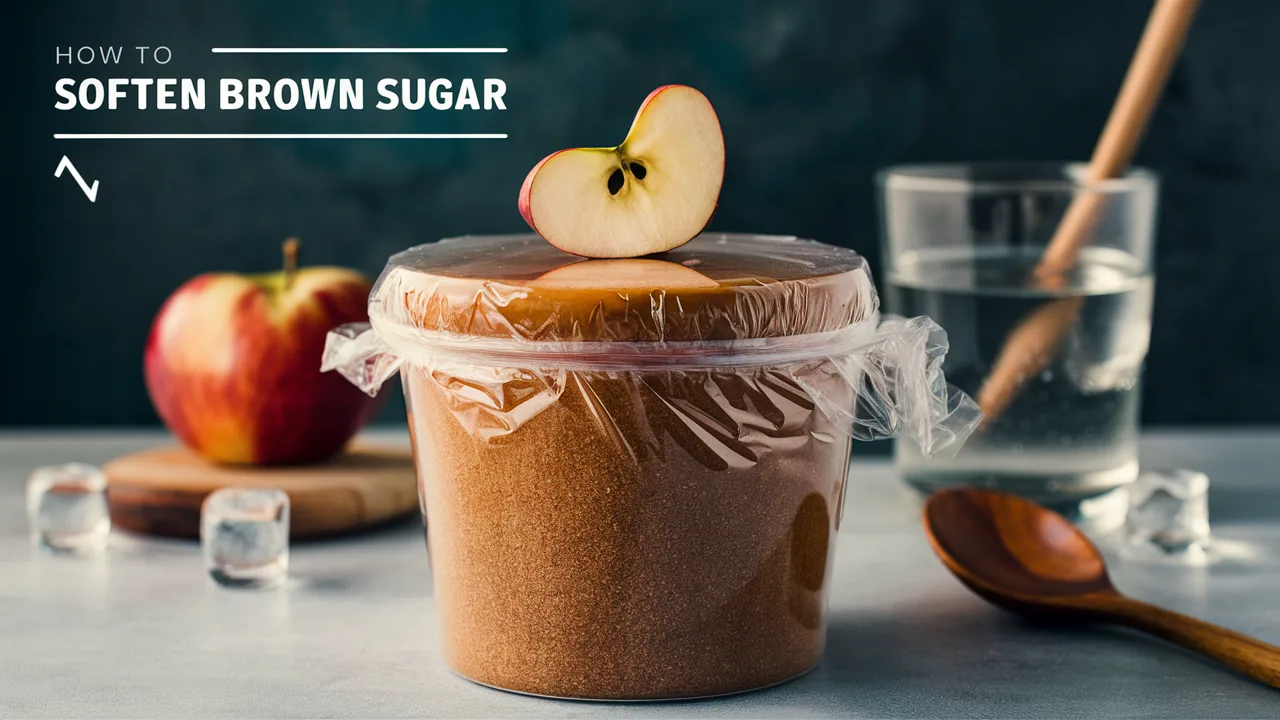
Brown sugar is an essential ingredient in countless recipes, from baked goods to sauces and marinades. Its rich flavor and moist texture make it a staple in many kitchens. However, one common problem we all encounter is hardened brown sugar. When exposed to air, the moisture content evaporates, leaving behind a solid, unusable block. Understanding how to soften brown sugar effectively can save time, reduce waste, and ensure that your recipes turn out perfectly every time. In this comprehensive guide, we explore the most effective, practical, and reliable methods to restore brown sugar to its soft, fluffy state.
Why Brown Sugar Hardens
Before learning how to soften brown sugar, it is important to understand why it hardens in the first place. Brown sugar contains molasses, which gives it its distinctive flavor and moisture. When exposed to air, the moisture evaporates, causing the sugar crystals to stick together and form hard clumps.
The main causes include:
- Air exposure due to improper storage
- Low humidity environments
- Extended storage periods without sealing
By understanding these factors, we can not only fix hardened sugar but also prevent it from happening again.
How to Soften Brown Sugar Quickly
When you need an immediate solution, there are several fast and effective methods to restore your sugar.
Microwave Method (Fastest Solution)
The microwave is one of the quickest ways to soften brown sugar.
- Place the hardened sugar in a microwave-safe bowl
- Cover it with a damp paper towel
- Heat for 20–30 seconds
- Stir and repeat if necessary
This method works by reintroducing moisture and heat, breaking up the hardened clumps almost instantly.
Bread Method (Natural Moisture Restoration)
Using bread is a classic and reliable technique.
- Place a slice of fresh bread in an airtight container with the sugar
- Seal the container and leave it for several hours or overnight
The sugar absorbs moisture from the bread, becoming soft again without affecting flavor.
Apple Slice Method (Alternative Natural Option)
An apple slice can also be used to soften brown sugar.
- Add a slice of apple to the container
- Seal it tightly and wait a few hours
This method works similarly to the bread method but may add a very subtle aroma if left too long.
Best Long-Term Methods to Soften Brown Sugar
If you have more time, slower methods can provide excellent results without using heat.
Damp Cloth Method
- Wrap the sugar in a damp cloth
- Leave it in a sealed container overnight
This gradually restores moisture while maintaining the sugar’s quality.
Clay or Sugar Saver Tools
Specialized tools designed for maintaining moisture can also be used.
- Soak the clay disc in water
- Place it in the container with the sugar
These tools release moisture slowly, keeping sugar soft over time.
How to Break Up Hardened Brown Sugar
Sometimes, the sugar becomes extremely hard and requires additional effort.
- Use a fork or spoon to break apart softened sections
- Gently tap large chunks with a rolling pin
- Combine mechanical breaking with moisture methods for best results
This ensures even softening and prevents uneven texture.
How to Keep Brown Sugar Soft
Preventing the problem is just as important as solving it. Proper storage techniques can keep your sugar soft for months.
Use Airtight Containers
Always store brown sugar in a tightly sealed container to prevent moisture loss.
Avoid Frequent Exposure to Air
Open the container only when necessary and reseal it immediately.
Add Moisture Retainers
Items like clay discs or even a small piece of bread can maintain humidity inside the container.
Store in a Cool, Stable Environment
Avoid areas with extreme temperature changes, as they can accelerate moisture loss.
Common Mistakes to Avoid
When learning how to soften brown sugar, avoiding common mistakes is crucial.
- Overheating in the microwave, which can melt sugar
- Leaving bread or fruit too long, causing unwanted odors
- Using too much moisture, leading to soggy sugar
- Improper storage after softening, causing it to harden again
By avoiding these mistakes, we ensure consistent results.
Why Soft Brown Sugar Matters in Cooking
The texture of brown sugar directly affects the outcome of recipes.
Better Mixing
Soft sugar blends evenly with other ingredients, ensuring consistent flavor.
Improved Texture
In baking, it contributes to moist and tender results.
Enhanced Flavor Distribution
Evenly softened sugar ensures that molasses flavor is spread throughout the dish.
Using properly softened sugar can make a noticeable difference in the final product.
Quick Comparison of Softening Methods
| Method | Time Required | Effectiveness | Best For |
|---|---|---|---|
| Microwave | 30 seconds | Very High | Immediate use |
| Bread | Several hours | High | Overnight softening |
| Apple Slice | Few hours | High | Natural method |
| Damp Cloth | Overnight | Medium | Gentle softening |
| Clay Disc | Continuous | High | Long-term storage |
Conclusion
Mastering how to soften brown sugar ensures that we never have to deal with unusable, hardened sugar again. Whether using quick methods like the microwave or natural techniques like bread and apple slices, restoring moisture is simple and effective. By combining proper softening methods with smart storage practices, we can maintain the perfect texture and flavor of brown sugar for all our cooking and baking needs. The key lies in consistency, care, and understanding how moisture interacts with sugar, allowing us to achieve optimal results every time.
FAQ About How to Soften Brown Sugar
How do you soften brown sugar quickly?
The fastest method is using the microwave with a damp paper towel for 20–30 seconds.
Can hardened brown sugar be saved?
Yes, it can be restored using methods like bread, apple slices, or gentle heating.
How long does it take to soften brown sugar with bread?
Typically, it takes several hours or overnight for best results.
What is the best way to keep brown sugar soft?
Store it in an airtight container and use moisture-retaining tools.
Does softening brown sugar affect its taste?
No, when done correctly, it retains its original flavor and quality.
