
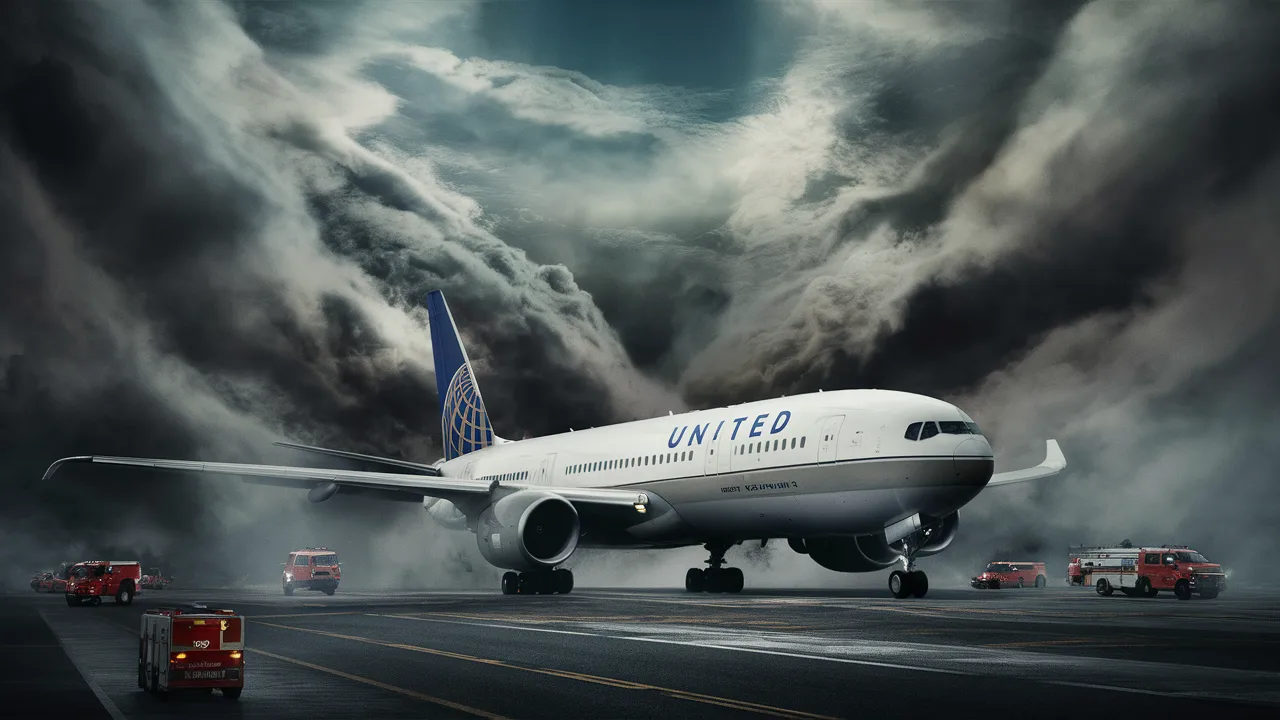
The emergency diversion of United Airlines Flight UA770 has drawn significant attention across aviation circles and among travelers worldwide. Such incidents, while rare, highlight the intricate safety mechanisms embedded within modern aviation systems. We explore every aspect of this event—from the initial trigger to the final landing—offering a detailed and authoritative perspective designed to inform and reassure.
What Triggered the UA770 Emergency Diversion
The United Airlines Flight UA770 emergency diversion was initiated after the flight crew identified a potential in-flight issue requiring immediate attention. While aviation authorities conduct thorough investigations in such cases, early indicators often point toward one of several key triggers:
- Mechanical irregularities, including engine performance anomalies or system alerts
- Cabin-related concerns, such as pressurization issues or unusual sensor readings
- Medical emergencies, requiring rapid descent and diversion to the nearest suitable airport
- Weather-related disruptions, forcing pilots to alter course for safety
In this case, the decision to divert was made proactively, demonstrating the airline’s adherence to strict safety-first protocols.
Detailed Timeline of the Incident
Understanding the sequence of events is crucial in assessing the effectiveness of the response. The UA770 diversion timeline unfolded with precision:
- Initial Alert: The cockpit received a system warning indicating a non-critical but potentially escalating issue.
- Crew Assessment: Pilots conducted immediate diagnostics while maintaining communication with air traffic control.
- Diversion Decision: Within minutes, the captain opted for diversion to the nearest suitable airport.
- Passenger Notification: Cabin crew informed passengers calmly, ensuring minimal panic and maximum clarity.
- Safe Landing: The aircraft landed without incident, with emergency services on standby as a precaution.
This structured approach underscores the high level of training and coordination in modern aviation.
Aircraft Systems and Safety Protocols in Action
One of the most remarkable aspects of the United Airlines UA770 incident is the seamless execution of safety protocols. Modern aircraft are equipped with:
- Redundant systems, ensuring backup functionality for critical components
- Real-time monitoring, allowing pilots to detect and address issues instantly
- Automated alerts, guiding crews through troubleshooting procedures
The decision to divert is never taken lightly. It reflects a commitment to preventative safety, where even minor irregularities are treated with utmost seriousness.
Passenger Experience During the Emergency Diversion
Passengers aboard Flight UA770 reported a controlled and professional environment throughout the incident. Key elements contributing to passenger reassurance included:
- Clear communication from the flight crew
- Calm cabin management by trained attendants
- Efficient handling upon landing, including support from ground staff
While the situation was unexpected, the overall experience highlighted the airline’s dedication to customer safety and comfort, even under challenging circumstances.
Aviation Industry Standards for Emergency Diversions
The UA770 emergency diversion aligns with global aviation standards established by international regulatory bodies. These standards mandate:
- Immediate response to any onboard anomaly
- Prioritization of passenger and crew safety
- Coordination with ground control and emergency services
Such protocols ensure that diversions are handled with precision, efficiency, and minimal risk.
Why Emergency Diversions Are a Sign of Safety, Not Failure
Contrary to common perception, an emergency diversion is not an indication of failure. Instead, it represents:
- Proactive risk management
- Effective decision-making under pressure
- Robust aircraft design and monitoring systems
In the case of United Airlines Flight UA770, the diversion demonstrates how aviation systems are designed to anticipate and mitigate risks before they escalate.
Operational and Logistical Impact
While safety remains the top priority, diversions inevitably affect airline operations. The UA770 diversion impact included:
- Flight delays and rescheduling
- Passenger rebooking and accommodation
- Aircraft inspection and maintenance checks
Despite these challenges, airlines maintain contingency plans to ensure swift recovery and minimal disruption.
Conclusion
The United Airlines Flight UA770 emergency diversion stands as a powerful example of aviation safety in action. From the initial detection of an issue to the safe landing and passenger handling, every step reflects a system built on precision, preparedness, and professionalism. Such incidents reinforce trust in modern air travel, demonstrating that safety protocols are not just theoretical—they are actively and effectively implemented when it matters most.
FAQ: United Airlines Flight UA770 Emergency Diversion
What caused the UA770 emergency diversion?
The diversion was triggered by a detected onboard irregularity requiring precautionary action by the flight crew.
Was anyone injured during the incident?
No injuries were reported, and the aircraft landed safely.
Why do flights divert instead of continuing to the destination?
Diversions ensure immediate access to ground support and eliminate potential risks during continued flight.
How common are emergency diversions?
They are relatively rare and are conducted as a preventive safety measure rather than a response to severe danger.
What happens to passengers after a diversion?
Passengers are typically rebooked on alternative flights and assisted by airline staff for onward travel.
