
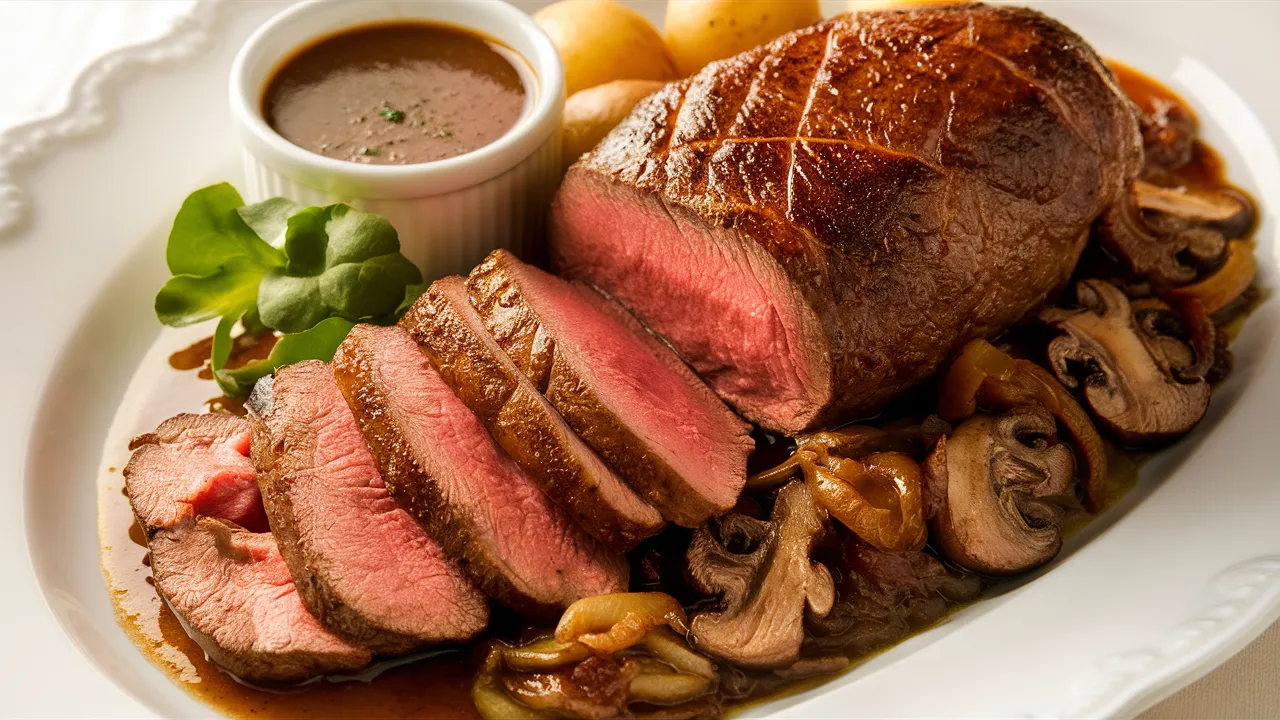
The word Chateaubriand evokes images of elegance, refinement, and culinary excellence. Known as one of the most luxurious cuts of beef, this classic French dish has become a symbol of fine dining and gourmet craftsmanship. Whether served in upscale restaurants or prepared at home for special occasions, Chateaubriand represents the pinnacle of steak preparation. We explore its origins, preparation techniques, flavor profile, and cultural significance, offering a comprehensive guide that elevates understanding and appreciation of this iconic dish.
What Is Chateaubriand?
Chateaubriand refers to a thick, center-cut portion of beef tenderloin, typically prepared for two or more people. It is prized for its exceptional tenderness, mild flavor, and buttery texture. Unlike standard steaks, Chateaubriand is often roasted rather than grilled, allowing for even cooking and a perfectly pink interior.
The dish is traditionally served with rich accompaniments such as béarnaise sauce, roasted vegetables, and potatoes, enhancing its already luxurious profile. Its presentation is as important as its taste, often carved tableside to emphasize its premium status.
The Origin and History of Chateaubriand
The name “Chateaubriand” is believed to be associated with François-René de Chateaubriand, a prominent French aristocrat and writer of the 19th century. According to culinary tradition, his personal chef created this dish in his honor, crafting a preparation that matched the sophistication of his patron.
Over time, the dish became a staple of French haute cuisine, gaining popularity across Europe and eventually around the world. Its historical roots contribute to its enduring reputation as a symbol of culinary artistry and tradition.
Key Characteristics of Chateaubriand
1. Premium Cut of Beef
Chateaubriand uses the center-cut of the tenderloin, ensuring maximum tenderness and uniform thickness. This cut is considered one of the most valuable parts of the animal.
2. Thick and Shareable Portion
Unlike individual steaks, Chateaubriand is typically served as a large, thick cut designed for sharing, making it ideal for special occasions.
3. Elegant Preparation
The cooking process emphasizes precision and control, often involving searing followed by oven roasting to achieve perfect doneness.
4. Refined Flavor Profile
The flavor is subtle yet rich, allowing sauces and sides to complement rather than overpower the meat.
How to Cook Chateaubriand Perfectly
Preparing Chateaubriand requires attention to detail and proper technique. The goal is to achieve a crispy, caramelized exterior with a tender, juicy interior.
Step 1: Selecting the Meat
Choose a high-quality beef tenderloin center cut with even thickness and good marbling.
Step 2: Seasoning
Season generously with salt and freshly ground black pepper, allowing the natural flavors of the beef to shine.
Step 3: Searing
Sear the meat in a hot pan with butter or oil to create a golden-brown crust.
Step 4: Roasting
Transfer the meat to an oven and roast at a controlled temperature until it reaches the desired level of doneness.
Step 5: Resting
Allow the meat to rest before slicing, ensuring the juices redistribute evenly.
Best Sauces and Side Dishes for Chateaubriand
Chateaubriand is traditionally paired with classic French accompaniments that enhance its flavor.
Popular Sauces
- Béarnaise sauce
- Red wine reduction
- Peppercorn sauce
Classic Side Dishes
- Roasted potatoes
- Grilled asparagus
- Buttered green beans
These elements combine to create a balanced and luxurious dining experience.
Why Chateaubriand Is Considered a Luxury Dish
The status of Chateaubriand as a luxury dish stems from several factors. The rarity and cost of the tenderloin cut, combined with the skill required for proper preparation, elevate it above ordinary meals. Additionally, its association with fine dining establishments and special occasions reinforces its premium image.
The dish is often reserved for celebrations, romantic dinners, and upscale gatherings, making it a symbol of indulgence and sophistication.
Chateaubriand vs. Filet Mignon
While both cuts come from the tenderloin, there are key differences:
- Chateaubriand: Large, center-cut portion for sharing
- Filet Mignon: Smaller, individual steaks
Chateaubriand offers a more dramatic presentation and communal dining experience, while filet mignon is suited for individual servings.
Tips for Achieving Restaurant-Quality Chateaubriand at Home
To replicate a professional dining experience, consider the following:
- Use a meat thermometer for precise doneness
- Invest in high-quality ingredients
- Avoid overcooking to preserve tenderness
- Pair with complementary wines such as red Bordeaux
Attention to detail transforms a simple preparation into a restaurant-quality masterpiece.
Conclusion
Chateaubriand stands as a timeless representation of French culinary excellence, combining premium ingredients, refined techniques, and elegant presentation. Its rich history and luxurious appeal make it one of the most sought-after steak dishes in the world. By understanding its origins, mastering its preparation, and appreciating its unique characteristics, we can fully embrace the artistry behind this iconic dish. Whether enjoyed in a fine dining restaurant or crafted at home, Chateaubriand delivers an unforgettable gastronomic experience.
Frequently Asked Questions (FAQ)
1. What cut of meat is Chateaubriand?
Chateaubriand is a center-cut portion of beef tenderloin, known for its tenderness and flavor.
2. Is Chateaubriand the same as filet mignon?
No, filet mignon is a smaller cut, while Chateaubriand is a larger portion designed for sharing.
3. How should Chateaubriand be cooked?
It is typically seared and then roasted, ensuring a crispy exterior and juicy interior.
4. What sauces go best with Chateaubriand?
Classic options include béarnaise sauce, red wine reduction, and peppercorn sauce.
5. Why is Chateaubriand expensive?
It uses a premium cut of beef tenderloin, which is limited in quantity and highly valued.
