
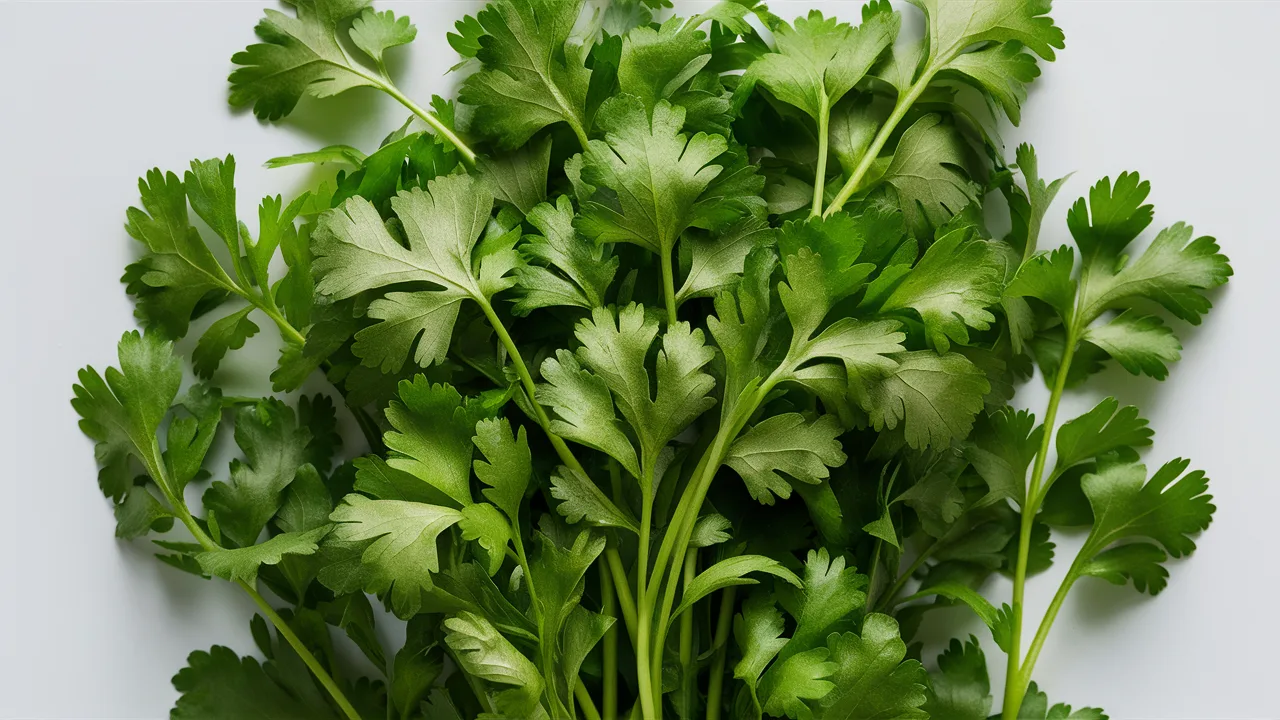
Dhania, commonly known as coriander, is one of the most versatile and widely used herbs across global cuisines. From enhancing the flavor of traditional dishes to offering remarkable health benefits, coriander holds a significant place in both culinary and medicinal practices. Whether used as fresh green leaves or dried seeds, dhania provides a unique aroma, taste, and nutritional value that makes it an essential ingredient in kitchens worldwide. We explore its origins, benefits, uses, and practical applications in depth, providing a comprehensive understanding of this powerful herb.
What Is Dhania Coriander?
Dhania Coriander refers to the plant Coriandrum sativum, a herb widely cultivated for its leaves (cilantro), seeds, and roots. In many regions, the term “dhania” is used interchangeably with coriander, particularly in South Asian countries.
The plant offers:
- Fresh leaves used as garnish and flavor enhancer
- Seeds used as a spice in cooking
- Roots used in certain traditional recipes
Its citrusy, slightly peppery flavor makes it a staple in diverse cuisines, including Indian, Middle Eastern, and Latin American dishes.
Nutritional Value of Dhania Coriander
Dhania is not just flavorful—it is also rich in essential nutrients that contribute to overall health.
Key Nutrients Include:
- Vitamins: Vitamin A, Vitamin C, Vitamin K
- Minerals: Potassium, calcium, magnesium
- Antioxidants: Flavonoids and polyphenols
These nutrients support immune function, bone health, and metabolic processes, making coriander a valuable addition to a balanced diet.
Health Benefits of Dhania Coriander
Supports Digestion
Dhania is widely known for its ability to improve digestion and reduce bloating. It stimulates digestive enzymes and promotes better nutrient absorption.
Regulates Blood Sugar Levels
Research suggests that coriander may help lower blood sugar levels, making it beneficial for individuals managing diabetes.
Boosts Immunity
Rich in antioxidants, coriander helps protect the body from oxidative stress and supports a strong immune system.
Promotes Heart Health
Coriander can contribute to lower cholesterol levels and improved heart health, reducing the risk of cardiovascular diseases.
Detoxification Properties
The herb aids in removing toxins from the body, supporting liver function and overall detoxification processes.
Culinary Uses of Dhania Coriander
Fresh Leaves in Cooking
Fresh coriander leaves are widely used as:
- Garnish for curries and soups
- Ingredient in salads and chutneys
- Flavor enhancer in rice and meat dishes
Their fresh aroma adds vibrancy and depth to meals.
Coriander Seeds as a Spice
Dried seeds are used in:
- Spice blends such as garam masala
- Marinades and sauces
- Baking and pickling
They provide a warm, nutty flavor that complements a wide range of dishes.
Coriander in Global Cuisines
coriander is an integral part of:
- Indian cuisine for curries and chutneys
- Mexican dishes like salsa and tacos
- Middle Eastern recipes for salads and dips
Its versatility makes it a global culinary staple.
How to Grow Dhania Coriander at Home
Growing coriander at home is simple and rewarding, requiring minimal resources.
Step-by-Step Guide:
1. Choose the Right Seeds
Use high-quality coriander seeds for better growth.
2. Prepare the Soil
Ensure well-drained soil with adequate nutrients.
3. Planting
Sow seeds evenly and cover lightly with soil.
4. Watering
Maintain consistent moisture without overwatering.
5. Sunlight
Provide sufficient sunlight for healthy growth.
Within a few weeks, you can harvest fresh leaves, ensuring a continuous supply of organic dhania.
Tips for Storing and Using Dhania
- Store fresh leaves in the refrigerator wrapped in a damp cloth
- Keep seeds in an airtight container to preserve flavor
- Use freshly chopped coriander for maximum aroma
Proper storage ensures long-lasting freshness and quality.
Common Mistakes to Avoid
- Overcooking coriander leaves, which reduces flavor
- Using stale seeds that lack aroma
- Overwatering plants when growing at home
Avoiding these mistakes helps maintain the quality and effectiveness of coriander.
Conclusion
Dhania Coriander, is far more than just a garnish—it is a nutrient-rich, versatile herb that enhances both flavor and health. From improving digestion to enriching culinary experiences, its benefits are extensive and well-established. Whether used in cooking, consumed for health benefits, or grown at home, coriander remains an essential component of a balanced lifestyle. By incorporating dhania into daily routines, we unlock its full potential and enjoy its remarkable contributions to health and cuisine.
Frequently Asked Questions (FAQ)
What is the difference between dhania and coriander?
There is no difference—dhania is simply another name for coriander, commonly used in South Asia.
Can coriander help with digestion?
Yes, it is known to improve digestion and reduce bloating.
Is coriander good for skin health?
Its antioxidants can help promote healthy and glowing skin.
How can I use coriander seeds?
They can be used in spice blends, cooking, and herbal remedies.
Can I grow coriander at home easily?
Yes, coriander is easy to grow with basic care, sunlight, and watering.
